
Compliance is not the goal. Secure products are.
Christian Venetz | Senior Security Consultant
Machines, systems and industrial products are becoming increasingly connected. Software, hardware, APIs, cloud integrations and remote services expand their capabilities – but also their attack surface.
With the Cyber Resilience Act (CRA), cybersecurity becomes an integral part of product responsibility. Manufacturers of products with digital elements must consider security from development and market placement throughout the entire product lifecycle.
Consulteer InCyber supports industrial and manufacturing companies in translating CRA requirements into concrete product security, engineering and governance measures.
From CRA Readiness and Secure-by-Design to Vulnerability Management and Lifecycle Security.
Request your Consultation.
Get in touch
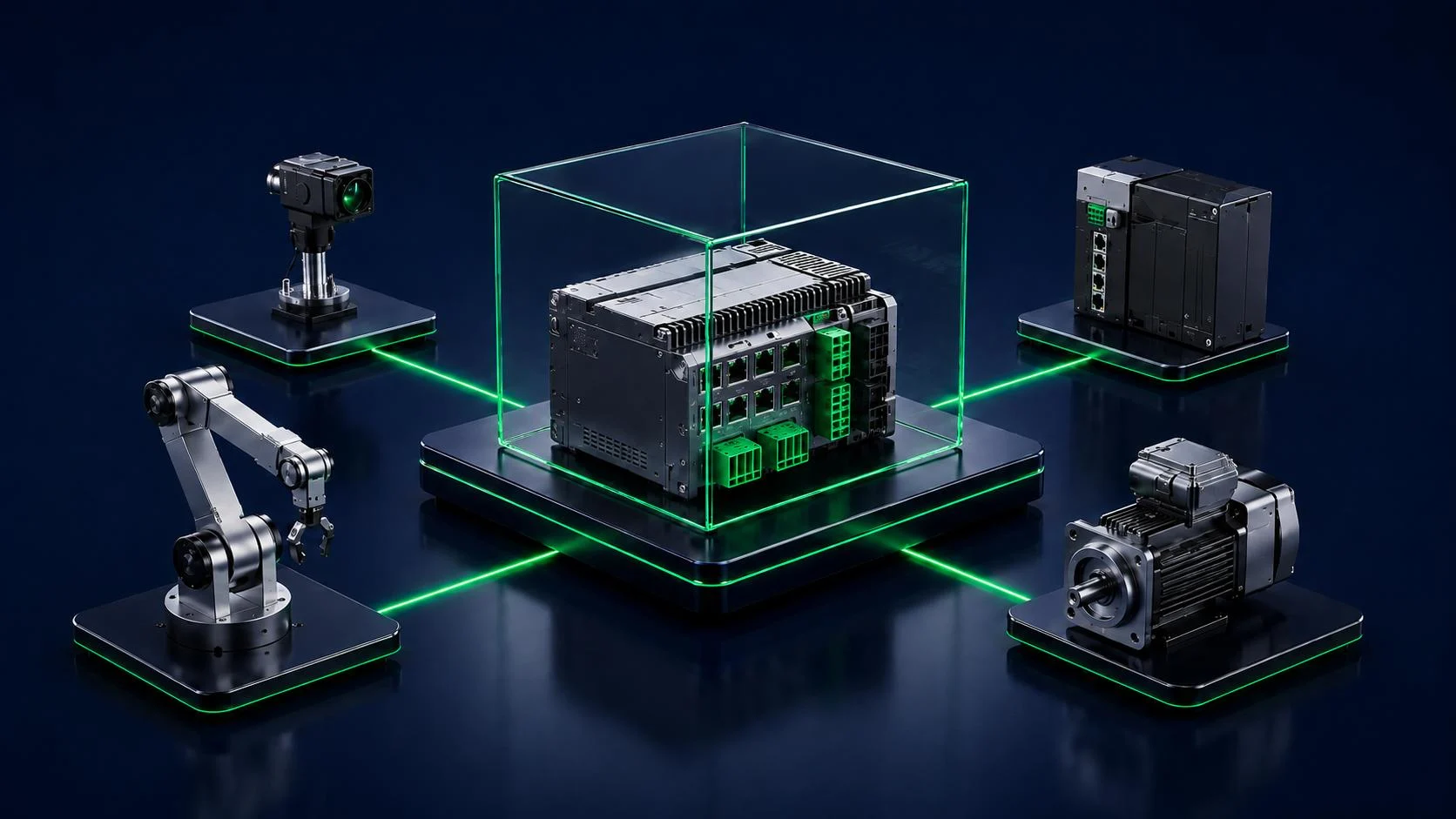
Cybersecurity becomes Part of Product Responsibility
Connected products no longer consist solely of mechanics and control systems.
Embedded software, IoT devices, network components, APIs, cloud services and external providers are becoming integral parts of modern machines and systems. This creates new dependencies within the product, across the supply chain and throughout the entire product lifecycle.
The Cyber Resilience Act establishes a European legal framework and defines cybersecurity requirements for products with digital elements.
What this means for manufacturers
assess cybersecurity risks
integrate security requirements into development and architecture
systematically manage vulnerabilities
provide security updates throughout the expected product lifetime (at least five years)
understand software and component dependencies
establish technical documentation and evidence
implement reporting and incident processes
Cyber resilience connects product security, engineering, IT security and governance.
The Challenge
Connected products create new attack surfaces
A single machine today can consist of hardware, embedded software, open source software, network connections, cloud services, APIs and remote access.
Typical challenges include:
limited transparency across software, hardware and dependencies
cybersecurity being considered too late in the development process
legacy products and components
unclear vulnerability and security update processes
complex software and component supply chains
limited transparency around open source and third-party components
incomplete security documentation
unclear responsibilities across Engineering, Product Management, Quality, IT, OT and Security
The CRA therefore affects more than just Security. Manufacturers need to connect product development, supply chain, Vulnerability Management, support and conformity.
CRA Readiness Assessment

Product Security Assessment
Secure-by-Design
Software Supply Chain Security
Vulnerability & Lifecycle Management
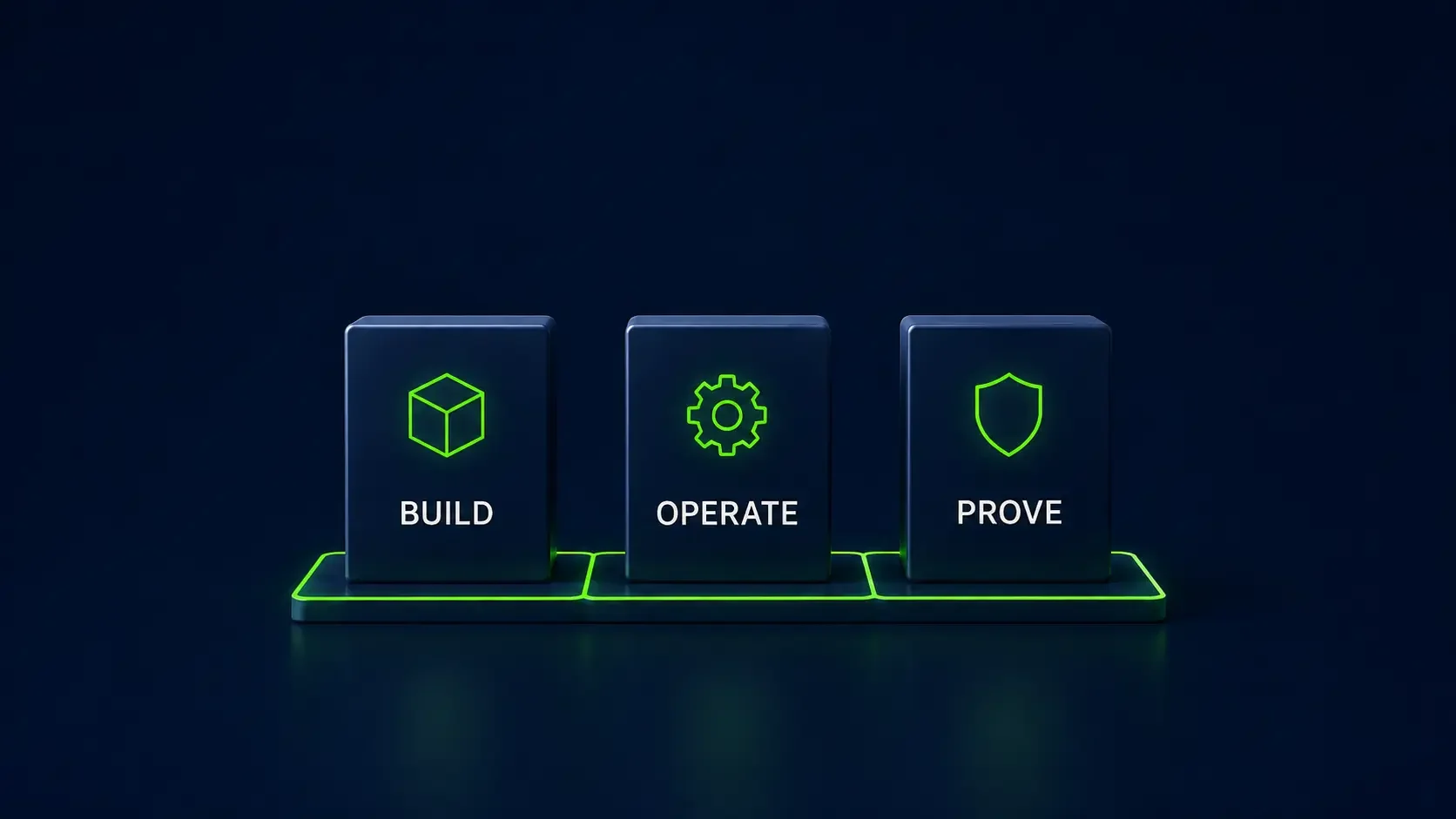
Three Perspectives on Cyber Resilience
Products you build.
Embed cybersecurity directly into architecture and product development.
Focus: Secure-by-Design, Threat Modelling, Security Requirements
Products you operate.
Operate products and machines securely throughout their lifecycle.
Focus: Vulnerabilities, security updates, Monitoring, Support
Products you prove.
Document cybersecurity in a traceable way and meet regulatory requirements.
Focus: Governance, Evidence, Conformity
A common challenge is limited transparency: companies do not always have a complete view of which products, digital elements, software components and dependencies fall within the CRA scope.
Solution
map the product portfolio and product families
identify products with digital elements
capture software, hardware, APIs and remote services
identify open source and third-party components
assess the supply chain and external providers
review existing security and development processes
clarify the CRA scope
Benefit
clear overview of affected products
transparency across technical dependencies
prioritized foundation for CRA implementation
Industry & Manufacturing Expertise
Cybersecurity & Engineering from a single source
Secure-by-Design instead of Security afterwards
IT, OT and Product Security considered together
From CRA Readiness to Lifecycle Security
Resilienz. Von Anfang an.
Cyberresilienz muss in Architektur, Entwicklung, Integration und Betrieb berücksichtigt werden. Consulteer InCyber verbindet Industrie- und Engineering-Kompetenz mit Cybersicherheit.
Wir unterstützen bei der Einordnung des CRA-Scope, der Bewertung bestehender Produkte und Prozesse sowie bei der technischen Umsetzung von Secure-by-Design, Vulnerability Management und Lifecycle Security.
Sie benötigen einen belastbaren IST-Stand? Wir prüfen Produkte, Prozesse und Dokumentation und liefern eine priorisierte Gap- und Massnahmenübersicht.
Request your Consultation.
Get in touch